A wedding unity ceremony gives your guests a visible symbol of two lives becoming one. According to The Knot’s 2024 Real Weddings Study, 48% of couples include at least one unity ceremony in their wedding. I’ve officiated hundreds of ceremonies across Southwest Florida, from Naples beach sunsets to elegant Bonita Springs ballrooms, and I can tell you: the right unity ceremony transforms a beautiful ceremony into an unforgettable one.
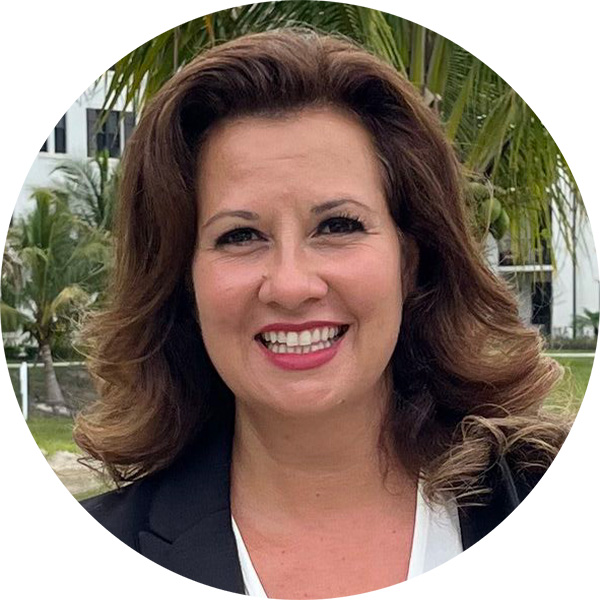
I’m Rev. Maria Felipe, a bilingual, non-denominational wedding officiant based in Naples, FL. Over eight-plus years of officiating, I’ve guided couples through sand blending, candle lighting, handfasting, lazo ceremonies, and options I bet you haven’t heard of yet. This guide walks you through 10 unity ceremony ideas and helps you choose the one that fits your love story.
TL;DR: Unity ceremonies give your wedding a visual, emotional symbol of partnership. The most popular options include sand blending, unity candles, handfasting, and tree planting. According to The Knot (2024), 48% of couples now include a unity ritual. Choose based on your setting, your heritage, and what feels true to you as a couple.
What Is a Wedding Unity Ceremony?
A wedding unity ceremony is a symbolic ritual performed during the ceremony to represent the joining of two people, and often two families. According to Brides.com (2024), unity ceremonies date back centuries and span nearly every culture and religion. They’re not required, but they add emotional depth and visual meaning that guests remember long after the reception ends.
Most unity ceremonies take between two and five minutes. They happen after the vows, before the pronouncement. Some couples involve family members, children from previous marriages, or both sets of parents. That’s one of the things I love about unity rituals: they’re flexible. You can shape them to tell your specific story.
In my years officiating in SWFL, I’ve noticed that couples who include a unity ceremony often say it was their favorite part of the day. Not the vows, not the kiss. The moment they did something together, with their hands, that felt real and grounding.
Which Unity Ceremony Ideas Work Best for Your Wedding?
Choosing the right unity ceremony depends on your venue, your background, and what resonates with you as a couple. A WeddingWire survey (2024) found that 35% of couples choose their unity ceremony based on venue setting, while 28% choose based on cultural heritage. Below are 10 ideas I’ve performed or recommended across Naples, Fort Myers, Marco Island, and beyond.
Sand Blending Ceremony
Each partner pours a different color of sand into a shared vessel, creating a layered pattern that can never be separated. This is probably the most popular unity ceremony I perform on SWFL beaches, and for good reason. The ocean backdrop makes it feel poetic, and the finished vase becomes a keepsake for your home.
Sand ceremonies work beautifully outdoors, especially on the beach where the sand itself ties into the setting. They’re also wonderful for blended families: children can each pour their own color, making it a whole-family moment. Wind can be tricky, so I always suggest a wider-mouth vessel and pouring slowly.
Unity Candle Ceremony
Two individual candles light a single center candle together. It’s one of the most recognized unity rituals, rooted in Christian tradition. The flame symbolizes the light you create together that’s brighter than either could produce alone. Parents sometimes light the outer candles first, adding a generational layer.
Unity candles work best indoors. I’ve seen many couples try candles on the beach in Naples, and the Gulf breeze wins every time. If your heart is set on a candle ceremony and your wedding is outdoors, use hurricane glass lanterns or consider moving the ritual to a sheltered spot.
Tree Planting Ceremony
You and your partner each add soil to a potted tree or plant, watering it together. The living tree grows alongside your marriage. I find this one especially meaningful for couples who value sustainability or feel connected to nature.
Tree planting works in any setting, indoors or out. Olive trees, citrus trees, and flowering plants all work well in the Florida climate, so you can actually plant it at your home afterward. I once officiated a ceremony in Estero where the couple planted a Key lime tree. They still send me photos of it bearing fruit.
Handfasting (Celtic Tradition)
Your hands are literally bound together with cords or ribbons, an ancient Celtic ritual that’s the origin of the phrase “tying the knot.” Each cord can represent a different value: trust, love, patience, faith. Family members or the wedding party can each tie a cord, making it participatory.
Handfasting translates well to any venue. It’s visually striking in photographs, and it creates a tangible, physical connection between you during the ceremony. I’ve performed handfasting ceremonies on the beach at sunset and in candlelit chapels, and both felt equally powerful.
Wine or Beer Blending Ceremony
Each partner pours a different wine (or craft beer) into a shared glass, then you both drink from it. Red and white wine creates a visible blend. The taste of the combined drink is unique, something neither wine could produce on its own. That’s the metaphor, and it lands every time.
This ceremony works anywhere and adds a lighthearted moment. For couples who are beer lovers or homebrewers, a beer blending ceremony feels more authentic than wine. I’ve seen this get cheers and laughter from guests, which is beautiful. Not every sacred moment needs to be solemn.
Love Lock Ceremony
You each hold a padlock, lock it onto a decorative stand or bridge, and throw away the keys together (or keep them as a keepsake). Inspired by the love lock bridges across Europe, this ceremony is quick, visual, and symbolic of an unbreakable bond.
Love locks work well for destination wedding couples who want a nod to their travels. They’re easy to do on the beach or at a venue. I recommend an engraved lock with your names and date so it doubles as a memento you can display at home.
Rose Ceremony
You exchange a single rose with each other as the first gift of your marriage. The tradition includes a promise: whenever you have a disagreement, instead of speaking in anger, you’ll place a rose in the other person’s hand first. It’s a commitment to lead with love, even in conflict.
The rose ceremony works indoors and outdoors equally well. It’s simple, elegant, and doesn’t require any props beyond two roses. For couples who want something understated but meaningful, this is one I recommend often. The brevity makes it ideal if you’re already including other rituals.
Painting Ceremony
Each partner takes paint in a chosen color and paints on a shared canvas together, either simultaneously or taking turns. The result is abstract, unpredictable, and completely unique. Like your marriage will be.
I love this one for creative couples, artists, designers, or anyone who wants a piece of art they made together on their wedding day. Painting ceremonies work best at indoor or tented venues where you can set up an easel. Be prepared for some beautiful messiness, and maybe wear an apron over your wedding attire.
Time Capsule or Love Letter Box
You write love letters to each other before the ceremony, then seal them in a box along with a bottle of wine. You agree to open it on a future anniversary, maybe your fifth or tenth. Some couples also include notes from guests, photos, or small mementos from their dating years.
This ceremony works anywhere. What makes it special is the anticipation. You’re planting a gift for your future selves. I always remind couples that the letters they write before the wedding capture a version of their love that will feel both familiar and surprising when they read them years later.
Lazo or Lasso Ceremony (Hispanic Tradition)
A large rosary or decorative cord shaped like a figure eight (the symbol of infinity) is draped around both partners’ shoulders by family members, usually the parents or padrinos. It represents the bond of marriage and the support of the community around you. This tradition is deeply rooted in Mexican, Filipino, and broader Latin American wedding customs.
I perform lazo ceremonies regularly for couples with Hispanic heritage, and it’s always one of the most emotional moments. The involvement of family members makes it feel like a community blessing, not just a couple’s ritual. It pairs naturally with a bilingual ceremony, where I can explain the tradition in English and offer the blessing in Spanish.
What I’ve noticed over the years: unity ceremonies that involve other people, the lazo, handfasting with the wedding party, sand pouring with children, tend to generate the strongest emotional reactions from guests. The couple feels supported, and the guests feel included. That communal element elevates the whole experience.
How Do You Choose the Right Unity Ceremony?
According to a Zola planning guide (2024), couples who discuss ceremony traditions early in their planning process report feeling more confident and emotionally connected on their wedding day. Choosing the right unity ceremony comes down to three questions: where, who, and what feels like you.
Consider Your Venue
Beach weddings in Naples and along the Gulf Coast pair naturally with sand ceremonies, love locks, and tree planting. Indoor venues give you the freedom to light candles, paint on canvas, or build a time capsule without worrying about wind. If you’re planning an outdoor ceremony, think about what elements travel well and what might be disrupted by weather.
Consider Your Heritage
If one or both of you come from a cultural background with wedding traditions, honoring that heritage through your unity ceremony is deeply meaningful. The lazo is a beautiful choice for Hispanic couples. Handfasting resonates with couples who feel connected to Celtic or pagan traditions. You can also combine traditions. I’ve officiated ceremonies where a couple did a lazo and a sand ceremony together.
Consider Who You Want to Involve
Some unity ceremonies are just for the couple. Others naturally include parents, children, or the wedding party. If you’re blending families with children, a sand ceremony or tree planting lets everyone participate. If you want an intimate, couple-only moment, the rose ceremony or love letter box is a beautiful fit.
How Can You Incorporate Unity Ceremonies into Bilingual or Multicultural Weddings?
According to Pew Research (2024), about 19% of newlyweds in the U.S. married someone of a different race or ethnicity. For multicultural couples, the unity ceremony is one of the best places to honor both backgrounds without the ceremony feeling fragmented or rushed.
As a bilingual officiant, I weave both English and Spanish into the unity ceremony itself. During a lazo ceremony, I’ll explain the tradition in English so all guests understand its meaning, then offer the blessing in Spanish: “Que este lazo simbolice la union eterna de sus corazones.” Both families feel seen.
I’ve also officiated weddings that combined traditions from completely different cultures. One couple blended a Japanese sake-sharing ceremony (san-san-kudo) with a Western unity candle. Another combined handfasting with the lazo. These hybrid ceremonies don’t feel forced when they’re rooted in something the couple genuinely connects to. The key is meaning, not performance.
If you’re planning a bilingual wedding ceremony, unity ceremonies are a natural place to switch languages. The ritual itself speaks across languages through the visual and physical symbolism. My role is to provide context in both languages so every guest understands what’s happening and why it matters.
When Does the Unity Ceremony Happen During the Wedding?
The Knot’s ceremony planning guide (2024) places the unity ceremony after the exchange of vows and rings but before the pronouncement. That’s the timing I use in nearly every wedding I officiate. It creates a natural emotional arc: vows, rings, unity ritual, pronouncement, kiss.
The vows are the verbal promise. The unity ceremony makes it physical. And then the pronouncement seals it. This order gives the ceremony a rhythm that builds toward the moment everyone’s been waiting for.
If you’re including more than one unity ceremony, we’ll plan the pacing together so nothing feels rushed. With my Custom “I Do!” package, you get unlimited unity ceremonies and a full consultation to design the flow. Even my “I Do!” package includes one unity ceremony, so every couple gets to include something meaningful.
I always build in a brief introduction before each unity ritual. I explain to guests what’s about to happen and why the couple chose it. That context turns a visual moment into an emotional one.
Frequently Asked Questions About Unity Ceremonies
How many unity ceremonies can you include in one wedding?
Most couples choose one or two. According to The Knot (2024), about 12% of couples include more than one unity ritual. More than two can make the ceremony feel long. If you want multiple, I’ll help you choose which ones complement each other and pace them so the ceremony flows naturally. My Custom “I Do!” package includes unlimited unity ceremonies.
Can children participate in a unity ceremony?
Absolutely. Sand blending ceremonies and tree planting are the best options for including children, especially in blended families. Each child pours their own color of sand or adds their own scoop of soil. I’ve watched kids light up during these moments. It tells them they’re not just watching the wedding. They’re part of the new family being formed.
Do unity ceremonies work for same-sex weddings?
Every unity ceremony on this list works beautifully for same-sex couples. As a non-denominational officiant, I officiate LGBTQ+ weddings with the same love and intention as any ceremony. The symbols are universal: blending, bonding, growing together. Nothing about these rituals is gendered.
What supplies do we need to bring for a unity ceremony?
That depends on the ceremony you choose. For a sand ceremony, you’ll need two containers of colored sand and a shared vessel. For candles, three tapers and a stand (plus a windproof lighter for outdoor venues). I walk every couple through exactly what to bring during our pre-ceremony consultation, so you won’t be guessing on the day itself.
Your Unity Ceremony Should Feel Like You
The best unity ceremony isn’t the trendiest or the most elaborate. It’s the one that makes you both look at each other and think, “Yes, this is us.” Whether that’s pouring sand on the beach in Naples, lighting a candle in a Fort Myers chapel, or sealing love letters in a box you won’t open for ten years, the meaning comes from your intention.
I’d love to help you find the right unity ceremony for your wedding. You can explore my ceremony packages here, or reach out directly and let’s talk about what feels right for your day. Every love story deserves a ceremony that reflects it.