Nearly 42 million people in the United States speak Spanish at home, according to the U.S. Census Bureau (2023). For couples where one family speaks English and the other speaks Spanish, a bilingual wedding ceremony isn’t just a nice touch. It’s a way of saying: everyone here matters, everyone belongs, and everyone will feel the love in this room.
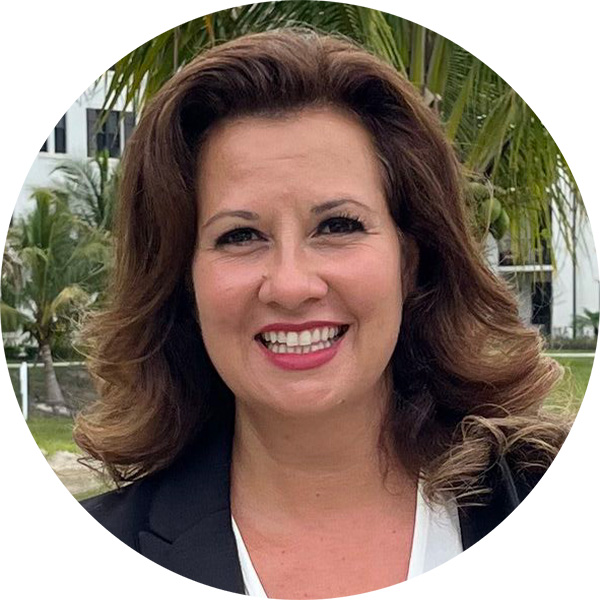
I’m Rev. Maria Felipe, a bilingual wedding officiant based in Naples, Florida. I grew up speaking both English and Spanish in Miami, married a man who’s also bilingual, and have officiated hundreds of bilingual ceremonies across Southwest Florida. This isn’t something I learned from a script. It’s who I am. And I want to share what I’ve seen work beautifully for couples who want both languages woven into their ceremony.
TL;DR: A bilingual wedding ceremony flows naturally between English and Spanish rather than translating every word. About 42 million U.S. residents speak Spanish at home (U.S. Census, 2023). Key moments like the welcome, vows, and pronouncement work well in both languages, while readings and blessings can honor each family’s language separately.
Why Does a Bilingual Wedding Ceremony Matter?
According to the Pew Research Center (2023), 75% of U.S. Latinos say speaking Spanish is important to their identity. A bilingual ceremony honors that identity in the most personal way possible. When abuela hears the blessing in her own language, when tio understands the vows without leaning over for a whispered translation, that’s when the ceremony becomes truly inclusive.
I’ve watched grandmothers cry the moment I switch to Spanish. Not because the words were more beautiful in one language or the other, but because they could finally feel fully part of their grandchild’s wedding. That moment alone is worth every bit of planning.
A bilingual ceremony also tells your guests something powerful about your values as a couple. You’re building a family that bridges two cultures, two languages, maybe two countries. The ceremony sets the tone for that life together. It says: we don’t choose one side over the other. We hold both.
How Does a Bilingual Ceremony Actually Work?
A common misconception is that bilingual means every sentence gets repeated twice. It doesn’t, and it shouldn’t. Research from the American Psychological Association confirms that bilingual speakers naturally code-switch between languages in conversation. A bilingual ceremony works the same way. It flows.
When I officiate a bilingual wedding ceremony, I move between English and Spanish the way I do in my own life. I might welcome everyone in English, then repeat the welcome in Spanish: “Bienvenidos a todos, estamos aqui para celebrar el amor de…” Then the ceremony continues in English for a while before shifting back to Spanish for a reading or a family blessing.
The key is that both languages carry equal weight. Neither one feels like a translation or an afterthought. Each language gets its own moments to shine. Your guests who speak only English will follow the flow of the ceremony without any confusion, and your Spanish-speaking family will hear their language in the moments that matter most.
What Parts of the Ceremony Work Best in Each Language?
About 62% of Hispanic couples in the U.S. incorporate cultural traditions into their weddings, according to The Knot (2024). Deciding which ceremony elements happen in which language is one of the most personal choices you’ll make. Here’s what I’ve seen work well across hundreds of ceremonies in Naples, Fort Myers, and Marco Island.
Welcome and Opening
I always recommend opening in both languages. “Dearly beloved, we are gathered here…” followed by “Queridos familiares y amigos, estamos reunidos hoy…” This immediately tells every guest: you are included. It sets the tone for everything that follows.
Readings and Prayers
Split your readings between languages. A Corinthians passage in English, a Neruda poem in Spanish. Or invite a family member from each side to do a reading in their native language. Some of my favorite ceremonies have had the bride’s mother read a blessing in Spanish while the groom’s father shares a passage in English.
Vows
Each partner can say their vows in whichever language feels most natural. I’ve had couples where one partner speaks their vows in English and the other responds in Spanish. The emotion comes through regardless. “Te prometo amarte y respetarte todos los dias de mi vida” hits just as hard whether you understand every word or not.
Pronouncement
This is the big moment. I always do the pronouncement in both languages. “I now pronounce you married” followed by “Los declaro unidos en matrimonio.” The cheers that follow? They sound the same in every language.
Family Blessings
If the bride’s grandmother wants to offer a bendicion in Spanish, that’s a beautiful moment. No translation needed. The love in her voice tells everyone exactly what she’s saying.
Which Cultural Traditions Pair Well with a Bilingual Ceremony?
The Knot’s 2024 survey found that couples who include cultural traditions report 23% higher satisfaction with their ceremony overall. For bilingual English-Spanish ceremonies, several Latin American traditions blend naturally into the flow.
Las Arras (Unity Coins)
Thirteen gold coins, blessed and exchanged between the couple, symbolizing prosperity and the commitment to share everything. I explain the tradition in English for guests who may not know it, then perform the blessing in Spanish. “Recibe estas arras como prenda de la bendicion de Dios…” The coins themselves become a keepsake the couple treasures for years.
El Lazo (Lasso Ceremony)
A rope or rosary draped in a figure-eight around the couple’s shoulders, symbolizing their unity. Padrinos (godparents or sponsors) typically place the lazo. This is one of the most visually striking moments in any ceremony I officiate. Guests always lean forward, cameras come out, and the room goes quiet.
Bible and Rosary Presentation
Parents or padrinos present a Bible and rosary to the couple, blessing their union with faith. This tradition works especially well when the presentation happens in Spanish with a brief English explanation for the broader group.
La Hora Loca
Not part of the ceremony itself, but worth mentioning. “La hora loca” (the crazy hour) is a Latin American reception tradition where masks, props, and high-energy music take over the dance floor. If you’re planning a bilingual ceremony, carrying that cultural energy into the reception makes the whole event feel cohesive.
What Is My Approach to Bilingual Ceremonies?
Over 40% of Southwest Florida residents identify as Hispanic or Latino, according to U.S. Census data (2022). That means bilingual ceremonies aren’t a specialty add-on for me. They’re central to how I serve this community.
I start every bilingual ceremony consultation with the same question: “Who in the room needs to hear this in Spanish?” Sometimes it’s the bride’s entire side of the family. Sometimes it’s one beloved grandmother. The answer shapes everything, from how much Spanish I use to which moments get the bilingual treatment.
Growing up in Miami, I moved between English and Spanish without thinking about it. At home, at school, at church. My husband Christian and I still do this every day. So when I stand at the altar and shift from “we are here to celebrate love” to “estamos aqui para celebrar el amor,” it’s not performing. It’s just how I talk.
That naturalness matters. Couples tell me all the time that they’ve seen bilingual ceremonies that felt stilted or forced, where the officiant read the Spanish parts from a card. I don’t work from a phonetic cheat sheet. Both languages live in me equally, and your guests will feel that difference.
Every ceremony I create is customized. During our consultation, we’ll talk about your families, your cultures, your love story. Together, we decide the balance between English and Spanish. Some couples want 50/50. Others want mostly English with key moments in Spanish. There’s no wrong answer. There’s only your answer.
Will Non-Spanish Speakers Feel Lost During the Ceremony?
This is the concern I hear most often, and I completely understand it. According to a WeddingWire survey (2023), 68% of couples planning bilingual ceremonies worry about guest comprehension. Here’s the honest truth: in all the bilingual ceremonies I’ve officiated, not a single guest has told me they felt lost.
The ceremony’s emotional arc is universal. Love, commitment, joy. When I speak in Spanish, English-speaking guests follow the tone, the body language, the couple’s reactions. They understand what’s happening even without catching every word. And the Spanish portions are never so long that anyone checks out.
I also use natural transitions. Before a Spanish passage, the context is already set in English. And after, the ceremony continues in English without missing a beat. Think of it like watching a movie with a scene in another language. You don’t need subtitles to feel what’s happening.
Can You Include More Than Two Languages?
Yes. I’ve officiated ceremonies that included English, Spanish, and a third language for a special reading or blessing. I had one couple where the groom’s mother read a passage in Portuguese, and another where a friend offered a blessing in French. The bilingual framework stretches easily. If a third language is meaningful to your story, we’ll find the right moment for it.
How Do You Plan Your Bilingual Wedding Ceremony?
The Brides editorial team (2024) recommends starting bilingual ceremony planning at least 3 months before the wedding. From my experience, the planning process is simpler than couples expect, but a few early conversations make a big difference.
Start with Your Families
Talk to both sets of parents before anything else. Ask who speaks what, who would love to hear their language represented, and whether anyone wants to participate with a reading or blessing. These conversations often reveal beautiful ideas you wouldn’t have thought of on your own.
Choose Your Balance
Decide roughly how much of the ceremony will be in each language. A 70/30 English-to-Spanish split works for couples where most guests speak English but the bride’s family is Spanish-speaking. A 50/50 split works when both sides are roughly equal. I’ll guide you through this during our consultation.
Personalize the Script
We build your ceremony script together. I bring the structure and bilingual fluency, you bring the stories and traditions that matter to your family. The result is a ceremony that feels like you, not a template with Spanish paragraphs inserted.
Frequently Asked Questions
Do you translate the entire ceremony into Spanish?
No. A bilingual ceremony flows naturally between both languages rather than repeating every word twice. I speak key moments like the welcome, pronouncement, and family blessings in both English and Spanish. Other sections happen in one language, with the emotional context carrying across. According to the American Psychological Association, this code-switching approach mirrors how bilingual people actually communicate.
How much does a bilingual wedding ceremony cost?
My bilingual ceremonies are included at no extra charge within my standard ceremony packages ($245 to $795). Some officiants charge a premium for bilingual services, but since both languages are native to me, it’s simply part of how I officiate. The price depends on the level of customization you want, not the number of languages.
Can family members participate in the ceremony in Spanish?
Absolutely, and I encourage it. Grandparents, parents, or siblings can offer readings, prayers, or blessings in Spanish. One of the most moving moments I’ve witnessed was a bride’s abuela giving a bendicion entirely in Spanish, with tears streaming down every face in the room. These personal touches make bilingual ceremonies unforgettable.
Do you officiate bilingual ceremonies outside of Naples?
Yes. I serve all of Southwest Florida, including Fort Myers, Marco Island, Bonita Springs, Estero, Cape Coral, Sanibel Island, and Captiva Island. I also travel for destination weddings throughout Florida. Whether your ceremony is on a Naples beach or in a Fort Myers garden, the bilingual experience is the same.
Your Ceremony, Your Languages, Your Love
A bilingual wedding ceremony is more than a logistics decision. It’s a declaration that both sides of your family are equally honored, equally seen, and equally loved. Whether your ceremony is 50/50 or just has a few key moments in Spanish, the impact on your family will stay with them for years.
I’ve built my life between two languages and two cultures. Helping couples do the same on their wedding day is one of the great joys of my work. If you’re planning a bilingual ceremony in Naples, Fort Myers, Marco Island, or anywhere in Southwest Florida, I’d love to hear your story.
Reach out and let’s talk about your ceremony. We’ll find the perfect balance of English and Spanish for your day, “para que todos sientan el amor” (so that everyone feels the love).