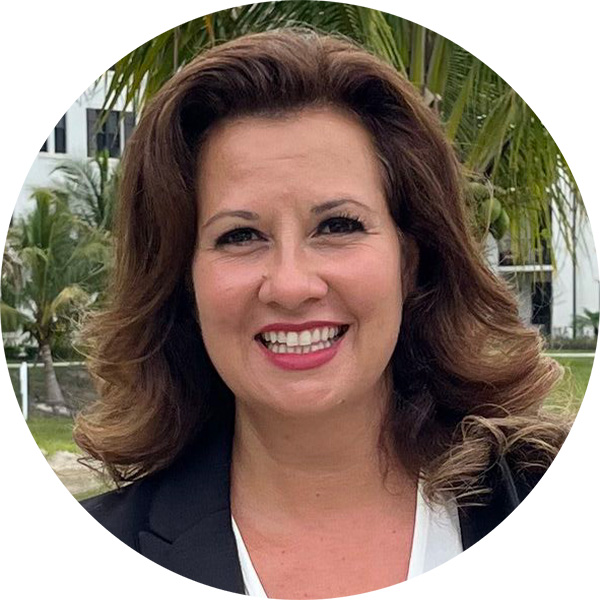
Marriage equality has been the law of the land since 2015, and Florida has married thousands of same-sex couples in the years since. As a non-denominational minister in Naples, I’ve had the honor of officiating LGBTQ wedding ceremonies across Southwest Florida, and I can tell you from experience: the legal process is identical for every couple. According to the Williams Institute at UCLA (2024), over 1.2 million same-sex couples are now married in the United States. Love won. And it keeps winning every weekend on the beaches of SWFL.
I’m Rev. Maria Felipe, and I wrote this guide to answer the real questions LGBTQ couples ask me when they’re planning a ceremony in Florida. Not the political questions. The practical ones. How does the license work? Will the officiant actually be affirming? What about family tension? Let’s walk through it together.
TL;DR: LGBTQ wedding ceremonies are fully legal in Florida under the 2015 Obergefell v. Hodges ruling, and the marriage license process is identical for all couples. Over 1.2 million same-sex couples are now married nationwide (Williams Institute, 2024). Florida requires no residency, no blood test, and no waiting period for residents. Choose an affirming officiant who celebrates your relationship, not one who merely tolerates it.
Is Same-Sex Marriage Legal in Florida?
Yes, without restriction. The U.S. Supreme Court’s Obergefell v. Hodges (2015) ruling guaranteed marriage equality in all 50 states. Florida had actually begun issuing same-sex marriage licenses in January 2015, months before the June ruling, after a federal court struck down the state’s ban. According to the Florida Clerks of Court, the marriage license application is the same form for every couple, with no distinction based on gender or sexual orientation.
The Respect for Marriage Act, signed into federal law in December 2022, added another layer of protection. It requires all states to recognize marriages performed in any state, regardless of the couple’s sex or race. So if you marry in Florida and move to another state, your marriage travels with you. No exceptions.
In the years since the ruling, I’ve officiated ceremonies for same-sex couples from across the country who chose Southwest Florida specifically because they wanted a warm, affirming destination. Not once has a county clerk’s office given any of my couples trouble. The process is smooth, respectful, and routine.
How Does the Florida Marriage License Process Work for LGBTQ Couples?
The process is identical to any other couple. According to the Collier County Clerk of Courts, both partners appear in person with valid photo ID, pay $93.50, and receive a license valid for 60 days. Florida residents have no waiting period. Non-residents wait three days unless they complete a premarital course.
Here’s a quick checklist:
- Both partners present at the Clerk’s office (Collier County for Naples-area weddings)
- Valid government-issued photo ID for each person (driver’s license, passport, or military ID)
- Social Security numbers for both partners
- $93.50 fee ($32.50 discount with a premarital course completion certificate)
- No blood test, no residency requirement
The license form uses “Applicant 1” and “Applicant 2” rather than “bride” and “groom.” After your ceremony, your officiant signs the license and returns it to the Clerk for recording. I walk every couple through this process during our consultation, so nothing feels confusing on the day. For the full breakdown, see my guide to who can officiate a wedding in Florida.
Why Does Choosing an Affirming Officiant Matter?
A 2024 survey by The Knot found that 45% of LGBTQ couples reported difficulty finding vendors who were openly affirming rather than simply willing. There’s a real difference between an officiant who will perform your ceremony and one who genuinely celebrates it. You deserve the second kind.
In my experience, the biggest red flag isn’t outright refusal. It’s awkwardness. If an officiant stumbles over pronoun usage during the consultation, avoids the word “wife” or “husband” when you use it, or keeps their LGBTQ work off their website, that discomfort will show up in your ceremony. Your officiant sets the emotional tone for the entire room. That person needs to be fully, joyfully on your side.
When you’re interviewing officiants, ask direct questions. Have you officiated same-sex ceremonies before? Can I see ceremony scripts or reviews from LGBTQ couples? Do you use the pronouns and language we prefer? A truly affirming officiant won’t flinch at any of these questions. They’ll light up.
As a non-denominational minister, I don’t see LGBTQ ceremonies as a separate category. Love is love. The ceremony structure, the vows, the legal process, it’s all the same. The only thing that changes is the specific story I tell about your relationship, because every couple’s story is different, regardless of gender.
How Can You Personalize an LGBTQ Wedding Ceremony?
LGBTQ ceremonies are as diverse as the couples who create them. A Brides (2024) feature noted that same-sex couples are leading the trend toward fully customized ceremonies, with 67% writing their own vows compared to 42% of heterosexual couples. Here are the elements I help couples shape.
Ceremony language and pronouns
Every word in your ceremony should feel like yours. I build each script from scratch after our consultation. Some couples want “wife and wife” or “husband and husband.” Others prefer “partners” or “spouses.” A few skip titles altogether. There’s no template. I match the language to who you actually are, not who tradition says you should be.
Walking down the aisle
Who walks? Who waits? Do you walk together? Two aisles, one aisle, no aisle at all? LGBTQ couples get to make choices that hetero couples often feel locked into by convention. I’ve seen two grooms walk toward each other from opposite ends of the beach. I’ve seen a bride walk with both of her parents while her wife waited at the altar. Every option works.
Unity ceremonies and rituals
Sand blending, wine mixing, handfasting, candle lighting, tree planting. Unity ceremonies are beautiful in any wedding, and LGBTQ couples often bring creative ideas I haven’t seen before. One couple did a paint-blending ceremony where they each poured a color onto a canvas and swirled them together. It hangs in their living room now. I include unlimited unity ceremonies in my Custom “I Do!” ceremony package.
Readings and cultural elements
Your readings can come from anywhere: poetry, scripture, song lyrics, a love letter, a Supreme Court opinion. One couple asked me to read a passage from Justice Kennedy’s Obergefell majority opinion during their ceremony. If you come from a cultural background with specific traditions, we’ll weave those in too. Bilingual ceremonies in English and Spanish are something I do regularly.
What About Family Dynamics and Difficult Situations?
A Pew Research Center survey (2023) found that 63% of Americans now support same-sex marriage, up from 37% in 2009. Support is growing, but that still means some couples face family members who aren’t fully on board. I won’t pretend that away. But I can share what I’ve learned from walking alongside couples through it.
In my experience, the ceremony itself often does the healing. I’ve watched parents who were hesitant about attending stand up and weep with joy as their child said vows. The power of witnessing real love and commitment in person is different from debating it in the abstract. It reaches people in places that arguments can’t.
Practically speaking, here’s what helps:
- Have the ceremony you want. Don’t shrink your joy to manage someone else’s discomfort.
- Brief your officiant. I always ask if there are any family sensitivities I should know about. It helps me set the right tone without being preachy.
- Assign a trusted friend to run interference if needed, so you don’t have to manage drama on your wedding day.
- Consider a first look or private vow exchange if you want an intimate moment before facing a larger group.
Your ceremony is sacred ground. It belongs to you and your partner. An affirming officiant holds that space for you, so you can focus on each other instead of worrying about the room.
Why Choose Southwest Florida for Your LGBTQ Wedding?
Naples and the surrounding SWFL region host over 1,500 weddings per year, and the area has a growing reputation as an LGBTQ-welcoming destination. According to BestPlaces (2024), Naples averages 264 sunny days per year, with Gulf-facing beaches that deliver stunning sunset ceremonies almost any evening.
The Naples, Fort Myers, and Marco Island corridor offers a mix of beach, garden, and private venue options. Collier County and Lee County clerks process marriage licenses efficiently for both residents and visitors. The region’s tourism infrastructure means you’ll find photographers, florists, planners, and caterers who work with LGBTQ couples routinely.
Beyond logistics, there’s something special about saying your vows with the Gulf of Mexico behind you and sand under your feet. SWFL is relaxed, beautiful, and far enough from the noise of big-city wedding culture to feel like an escape. Whether you’re local or coming from out of state, it’s a place where your ceremony can breathe.
How Do You Find LGBTQ-Friendly Wedding Vendors in Florida?
The Knot’s 2024 LGBTQ planning guide recommends checking vendor directories that specifically verify LGBTQ inclusivity, rather than assuming any listed vendor is affirming. Here’s how I suggest approaching your vendor search.
Start with your officiant
Your officiant is often the best referral source for affirming vendors. I’ve worked alongside photographers, florists, planners, and venues across SWFL for years. When a couple asks me for recommendations, I only refer vendors I’ve personally seen treat LGBTQ couples with genuine warmth. Not tolerance. Warmth.
Check reviews and portfolios
Look for LGBTQ couples in a vendor’s portfolio. If a photographer has 200 weddings on their website and not a single same-sex couple, that tells you something. Reviews from LGBTQ couples are even more valuable. Sites like The Knot and WeddingWire allow you to filter by LGBTQ-friendly vendors.
Ask direct questions
You shouldn’t have to guess. Ask: “Have you worked with same-sex couples before?” Ask: “Do you feature LGBTQ weddings on your website?” Ask: “Are you comfortable with two brides/two grooms?” A good vendor will answer these questions with enthusiasm, not hesitation.
Ready to start planning? Reach out to me directly, and I’ll help connect you with the right people for your ceremony.
Frequently Asked Questions
Do LGBTQ couples need a special marriage license in Florida?
No. The Florida marriage license is the same for every couple regardless of gender or sexual orientation. Both partners appear at the County Clerk’s office with valid photo ID, pay $93.50, and receive a license valid for 60 days. The application form uses gender-neutral language (“Applicant 1” and “Applicant 2”), and the process has been identical for all couples since 2015 (Florida Clerks of Court).
Can a religious officiant refuse to marry a same-sex couple in Florida?
Yes. Religious clergy can decline to perform ceremonies that conflict with their faith tradition. However, non-denominational and secular officiants are widely available throughout Southwest Florida. As a non-denominational minister, I welcome and celebrate LGBTQ ceremonies. The key is finding an officiant who is affirming by conviction, not by obligation.
Is Florida a safe and welcoming state for LGBTQ weddings?
Florida’s legal protections for same-sex marriage are solid under federal law. According to Pew Research (2023), 63% of Americans support same-sex marriage, and urban and coastal Florida communities like Naples are generally welcoming. Choosing affirming vendors and an experienced officiant ensures your ceremony day feels safe, joyful, and celebrated.
How far in advance should LGBTQ couples book a wedding officiant in Florida?
I recommend booking your officiant 3 to 6 months in advance, especially during peak season (November through April in Southwest Florida). That said, I’ve officiated ceremonies with as little as 48 hours’ notice. The sooner you book, the more time we have to personalize every element of your ceremony. Visit my packages page to see ceremony options.
Your Ceremony, Your Way
Planning an LGBTQ wedding ceremony in Florida doesn’t have to be complicated. The legal path is clear. The right vendors are out there. And SWFL is a beautiful place to say your vows, whether you’re two brides on Marco Island at sunset or two grooms exchanging rings in a Naples garden.
What I want every couple to know is this: your ceremony should feel like you. Not like a political statement. Not like a compromise. Like the two of you, standing in your love, surrounded by the people who matter most. That’s what I help create, every single time.
If you’re ready to start planning your ceremony, I’d love to hear your story. Contact me here, and let’s talk about what your day could look like.