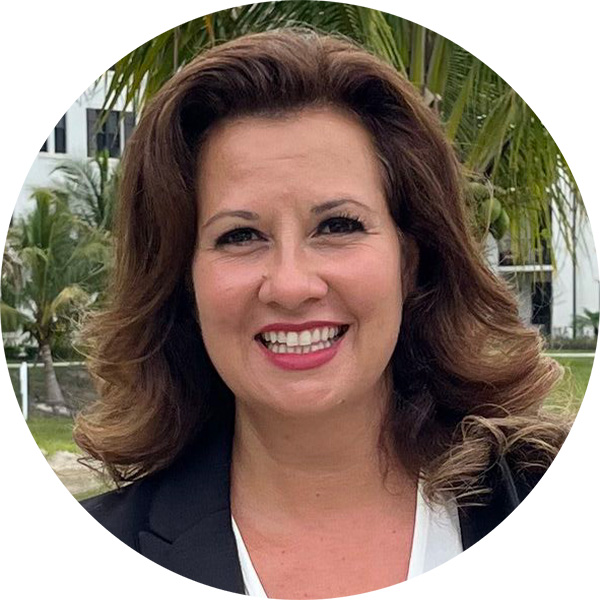
A Course in Miracles changed the way I see love, relationships, and marriage. As a non-denominational minister, ACIM teacher, and author of Live Your Happy (Hay House), I’ve built my entire ministry on the Course’s central teaching: love is real, and fear is not. According to the Foundation for Inner Peace, over 3 million copies of A Course in Miracles have been sold worldwide since 1976, and the text has been translated into 27 languages. When couples ask me to weave ACIM principles into their wedding ceremony here in Naples and Southwest Florida, it’s one of the most profound experiences I get to share.
TL;DR: An ACIM wedding ceremony centers on the Course’s teaching that love, not the world’s conditions, is the true foundation of marriage. With over 3 million copies of A Course in Miracles sold worldwide (Foundation for Inner Peace), a growing number of spiritually minded couples are choosing ceremonies rooted in its principles of holy relationship, forgiveness, and joining.
What Is A Course in Miracles?
A Course in Miracles is a self-study spiritual curriculum first published in 1976 by the Foundation for Inner Peace. More than 3 million copies are in print across 27 languages, making it one of the most widely studied spiritual texts outside of organized religion. At its core, ACIM teaches that love is the only reality and that fear, guilt, and separation are illusions we can choose to release.
The Course consists of three parts: a Text, a Workbook with 365 daily lessons, and a Manual for Teachers. You don’t need to be religious to study it. You don’t need to belong to a church. Many of my couples discovered the Course through yoga, meditation, therapy, or a friend who handed them the book at exactly the right time.
I first picked up the Course over two decades ago, and it transformed everything, how I see myself, how I relate to others, and how I hold space for couples on the most sacred day of their lives. It’s not a religion. It’s a practice of choosing love over fear, moment by moment. That practice is what makes an ACIM wedding ceremony so different from anything else you’ll experience.
Citation capsule: A Course in Miracles, published in 1976 by the Foundation for Inner Peace, has sold over 3 million copies in 27 languages. The self-study spiritual text teaches that love is the only reality, and its principles of forgiveness and holy relationship are increasingly shaping how spiritually minded couples design their wedding ceremonies.
How Do ACIM Principles Shape a Wedding Ceremony?
The Course teaches that a “holy relationship” begins when two people share a common purpose: to see each other through the eyes of love rather than judgment. According to Pew Research (2024), 28% of U.S. adults identify as religiously unaffiliated yet still seek spiritual meaning, and ACIM-inspired ceremonies speak directly to that longing. Four principles from the Course shape every ceremony I create.
The holy relationship
ACIM draws a clear distinction between a “special relationship” and a “holy relationship.” A special relationship is based on what we can get from the other person, on filling a lack. A holy relationship is based on wholeness. Two people who are already complete choose to walk together. When I officiate an ACIM wedding, I frame the marriage as a holy relationship from the very first words. You’re not completing each other. You’re joining your wholeness.
Love over fear
The Course teaches that every thought, word, and action is either an expression of love or a call for love. There’s nothing else. In an ACIM ceremony, we acknowledge that marriage will bring moments of fear, doubt, and misunderstanding. But we also set the intention, together and out loud, to choose love every time. That intention becomes the foundation your marriage stands on.
Forgiveness as freedom
Forgiveness in ACIM isn’t about pardoning wrongs. It’s about recognizing that the grievance was never real in the first place. This is radical, and it’s also profoundly freeing. In the ceremony, I invite the couple to release any past hurts, expectations, or fears they’re carrying into the marriage. Not through willpower, but through willingness. That distinction matters.
Joining, not separation
The ego sees two separate people making a deal. The Course sees two minds choosing to remember that they were never truly separate. An ACIM ceremony honors this joining, not as a legal contract, but as a spiritual recognition. You’re remembering something that was always true. The ceremony simply makes it visible.
Most wedding traditions focus on what the couple is gaining: a partner, a family, a new name. An ACIM ceremony flips this entirely. The focus is on what you’re releasing: the illusion that you were ever alone, the belief that love has conditions, the fear that you’re not enough. That release is the real miracle.
Citation capsule: A Course in Miracles wedding ceremony is built on four principles: the holy relationship (wholeness, not lack), choosing love over fear, forgiveness as releasing illusions, and spiritual joining rather than contractual union. With 28% of Americans identifying as spiritual-but-unaffiliated (Pew Research, 2024), ACIM ceremonies offer depth without doctrine.
What Does an ACIM-Inspired Ceremony Include?
Every ACIM wedding I officiate is unique, but the structure draws from the Course’s own language and practices. A Brides.com ceremony guide notes that the average wedding ceremony lasts 20-30 minutes, and that’s the range I work within for an ACIM ceremony, too. Here’s what you can expect.
Opening invocation rooted in ACIM
I open by inviting everyone into stillness. Not a religious prayer, but a moment of presence. I might begin with words inspired by the Course: “We gather here not to create love, but to recognize the love that has always been.” This sets the tone immediately. Guests feel something shift in the room.
Readings from the Course
ACIM contains some of the most beautiful language ever written about love and relationships. Couples often choose one or two passages for a friend or family member to read aloud. Popular choices include the “holy relationship” passages from Chapter 20 and the prayer “Forgive us our illusions” from Lesson 193. I help couples select readings that feel personal, not academic.
Personal reflection on the couple’s journey
This is where I share your story, how you met, what drew you together, and the spiritual growth you’ve experienced as a couple. If you’re both Course students, I’ll honor that shared path. If one of you is new to ACIM, I’ll make sure the language is accessible and warm. No one should feel like an outsider at your own wedding.
Vows rooted in ACIM principles
ACIM-inspired vows are unlike traditional vows. Instead of “for richer or for poorer,” you might promise: “I choose to see the light in you, even in moments when I’ve forgotten my own.” Or: “I commit to choosing love over fear, today and every day we walk together.” I work with each couple to write vows that are both deeply personal and grounded in the Course’s teachings.
A closing blessing or prayer
I close with a blessing drawn from the Course’s language. One I return to often is a variation of: “May this joining remind you of what you have never truly forgotten, that you are love, and nothing real can threaten what you are.” Then comes the kiss, the pronouncement, and the celebration.
Which ACIM Quotes Work Beautifully in a Wedding Ceremony?
The Course is filled with passages that feel like they were written for weddings. A Course in Miracles, published by the Foundation for Inner Peace (1976), contains 365 lessons and a 669-page text, and many of its most quoted lines speak directly to love, union, and forgiveness. Here are some of my favorites for ceremonies.
“Your task is not to seek for love, but merely to seek and find all the barriers within yourself that you have built against it.” (T-16.IV.6:1) This is powerful as an opening reading. It reframes the ceremony from “finding love” to removing the blocks to love you already have.
“When you meet anyone, remember it is a holy encounter.” (T-8.III.4:1) Simple, direct, and perfect for framing the moment two people stand face to face at the altar.
“Teach only love, for that is what you are.” (T-6.I.13:2) Many couples use this as the closing line of their vows. It’s a commitment that goes beyond the marriage itself.
“The holiest of all the spots on earth is where an ancient hatred has become a present love.” (T-26.IX.6:1) This one lands especially hard for couples who’ve overcome significant challenges together. Forgiveness made visible.
Over the past several years of officiating ACIM-inspired ceremonies in Southwest Florida, I’ve noticed that couples nearly always gravitate toward the “barriers to love” passage (T-16.IV.6:1). It resonates because it’s active. It gives them something to practice, not just something to believe.
Citation capsule: A Course in Miracles (Foundation for Inner Peace, 1976) offers several passages frequently used in wedding ceremonies, including the widely quoted “Your task is not to seek for love, but merely to seek and find all the barriers within yourself that you have built against it” (T-16.IV.6:1), which reframes marriage as a practice of releasing fear rather than finding completion.
Who Chooses an ACIM Wedding Ceremony?
You might think only longtime Course students want an ACIM wedding, but the reality is broader. According to the The Knot’s 2024 ceremony report, 43% of modern weddings blend spiritual and secular elements, which mirrors the couples I see choosing ACIM-inspired ceremonies. Two groups tend to seek me out.
Couples who already study the Course
These couples have been practicing the Workbook lessons, attending ACIM study groups, or reading the Text together. For them, having their wedding reflect their spiritual practice isn’t optional. It’s essential. They want an officiant who understands the Course deeply, not someone who’ll just read a passage they Googled. Because I’ve studied and taught ACIM for over two decades, I can hold that space authentically.
Spiritual-but-not-religious couples drawn to the philosophy
Some couples have never opened the Course but resonate with its ideas: love over fear, forgiveness, wholeness, the rejection of guilt as a foundation for relationship. They may have encountered ACIM concepts through authors like Marianne Williamson, Gabrielle Bernstein, or through my book Live Your Happy. They want a ceremony with spiritual depth but no dogma. ACIM gives us a shared language for that.
Destination wedding couples coming to Naples and Southwest Florida often fall into one of these groups. They’re traveling to a place that already feels sacred to them, and they want a ceremony that matches that intention.
How Does an ACIM Ceremony Differ from Traditional Religious and Secular Weddings?
An ACIM ceremony occupies its own space. A WeddingWire 2024 trends survey found that 78% of couples rank personalization above tradition when planning their ceremony. An ACIM wedding is deeply personalized, but it’s also anchored in a specific spiritual framework. Here’s how it compares.
A traditional religious ceremony follows a set liturgy. The words, structure, and rituals are prescribed by the denomination. There’s comfort in that structure, but little room for the couple’s own voice. A secular ceremony, on the other hand, removes spiritual language entirely. It’s clean and modern, but some couples feel it lacks depth.
An ACIM ceremony sits between these. It’s spiritual without being religious. It has philosophical depth without imposing doctrine. The language comes from the Course, but the ceremony is shaped entirely by the couple. You won’t hear “dearly beloved” or “we are gathered here today” unless you want to. What you will hear is language about love as your true nature, about choosing to see each other whole, about forgiveness as the foundation of every lasting relationship.
The biggest difference? An ACIM ceremony asks something of the couple. It’s not passive. You’re making a conscious commitment to practice love as a daily discipline, not just a feeling. That depth is what makes these ceremonies so powerful, and so memorable for the guests who witness them.
Citation capsule: Unlike traditional religious ceremonies that follow set liturgy or secular ceremonies that remove spiritual language entirely, an ACIM wedding ceremony offers philosophical depth without doctrine. WeddingWire’s 2024 survey found 78% of couples prioritize personalization, and ACIM ceremonies deliver this while anchoring the commitment in A Course in Miracles’ framework of love, forgiveness, and holy relationship.
Frequently Asked Questions
Do both partners need to study A Course in Miracles?
No. Many couples I marry include one dedicated Course student and one partner who simply resonates with the principles. I design every ceremony so the language feels inclusive and meaningful to both of you and to your guests. According to Pew Research (2024), nearly 28% of Americans identify as spiritual but unaffiliated, and ACIM concepts like love over fear resonate across belief systems.
Is an ACIM wedding ceremony legal in Florida?
Yes, completely. Under Florida Statute 741.07, any ordained minister can legally perform a marriage ceremony. I am a legally ordained non-denominational minister and have signed hundreds of marriage certificates across Southwest Florida. The spiritual framework of your ceremony has no bearing on its legal validity.
Can we combine ACIM with other spiritual or religious traditions?
Absolutely. The Course itself teaches that truth is universal. I’ve officiated ACIM ceremonies that included a Buddhist loving-kindness meditation, a Christian scripture reading, and a Latin American lasso ceremony. Your ceremony should reflect the fullness of who you both are. I’ll help you blend traditions in a way that feels cohesive rather than scattered.
Your Ceremony, Rooted in Love
An ACIM wedding is more than a ceremony. It’s a declaration that love, not the world’s expectations, is the foundation of your marriage. As a Course in Miracles teacher and non-denominational minister here in Naples, Florida, I consider it a privilege to hold this space for couples who want something deeper than tradition and more personal than a standard script.
If the Course has shaped your life the way it’s shaped mine, or if you’re simply drawn to its message of love, forgiveness, and wholeness, I’d love to talk about what your ceremony could look like. You can explore my ceremony packages or reach out directly to start the conversation.